Draft preview — unpublished partner-review rebuild. Estimate forms are wired to CRM tracking for safe configuration and testing; not published.
Residential

Residential asbestos removal in Boise, Idaho

Asbestos removal scoped to what your renovation will actually disturb — the ceiling, the flooring, the insulation, the exterior — with occupancy planning and a written scope. A positive material does not automatically require removal, and intact undisturbed material may be managed in place. Tell us the address and the planned work.

The property or project address for this request.

I agree to receive service-request messages from Boise Premier Asbestos Removal at the number provided. Message frequency varies. Message and data rates may apply. Reply STOP to opt out or HELP for help. See our Privacy Policy and Terms. Consent is optional and not required to submit this request.

Scope

What residential asbestos removal addresses

Residential removal is scoped to what the planned work will disturb — the material, the quantity, the access, and the occupancy. A positive material does not automatically require removal; intact undisturbed material may be managed in place.

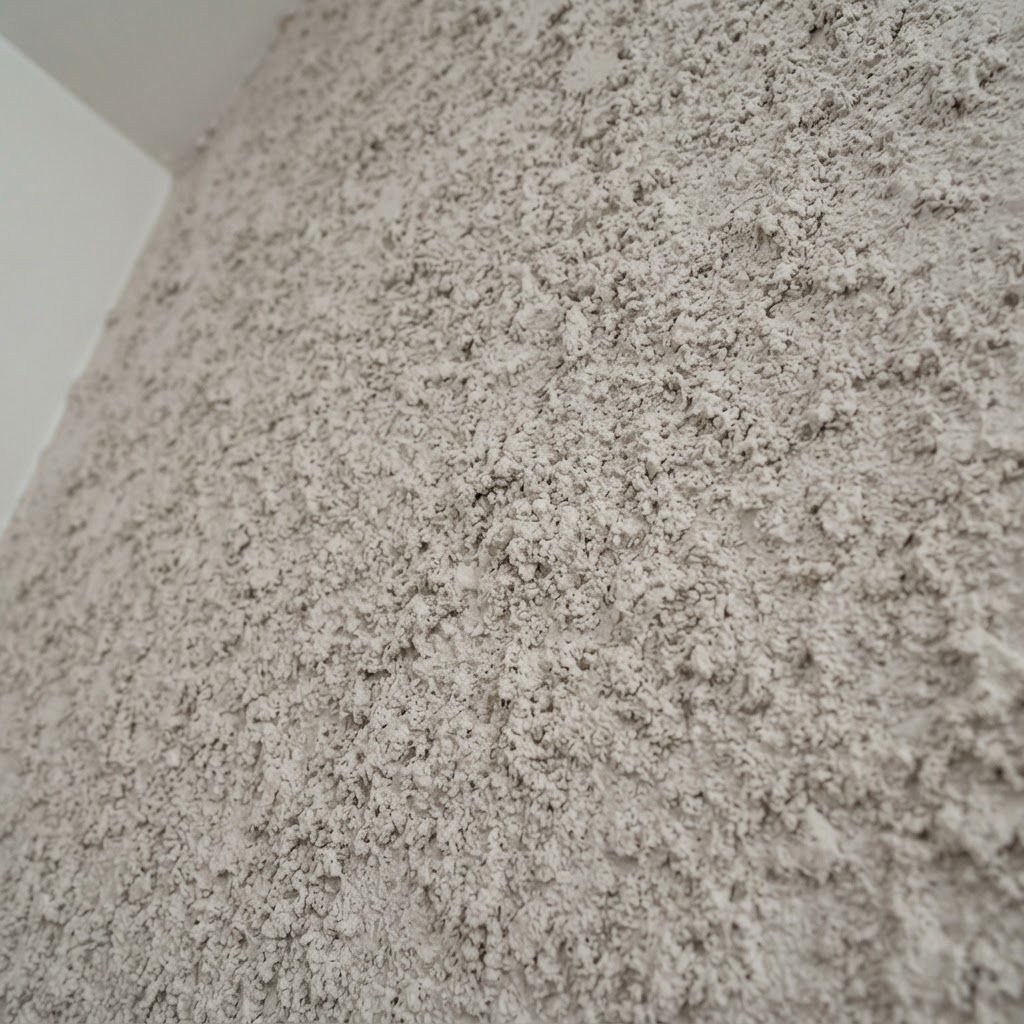
Close view of a textured cottage-cheese popcorn ceiling surface in an older home — a common suspect category assessed before renovation, not a visual diagnosis.

Ceiling and wall renovation planning

Ceiling and wall renovations are a frequent reason a Boise homeowner asks about asbestos. Popcorn ceiling texture, plaster systems, and joint compound are common suspect categories, and the question is whether the planned work will disturb them. A residential removal scope starts by defining what is suspect, where it sits, and what the renovation will touch — so the work follows the material rather than a guess about what might be behind the surface.

Where a suspect asbestos-containing material will be disturbed, the scope sets out the work-area containment, controlled access, and the professional controls for that project — HEPA filtration and negative pressure where specified for the scope. The assessor records the material's condition and maps the suspect categories to the renovation plan, pairing the removal with sampling so the scope follows what is actually there. No material is identified by color, texture style, or age alone.

The outcome is a documented residential scope that addresses the ceiling or wall materials within the agreed work area, with the condition noted and the controls specified for that project. It is not a whole-house guarantee that every suspect material has been found, and it is not a clearance — concealed areas and destructive access must be agreed rather than assumed.
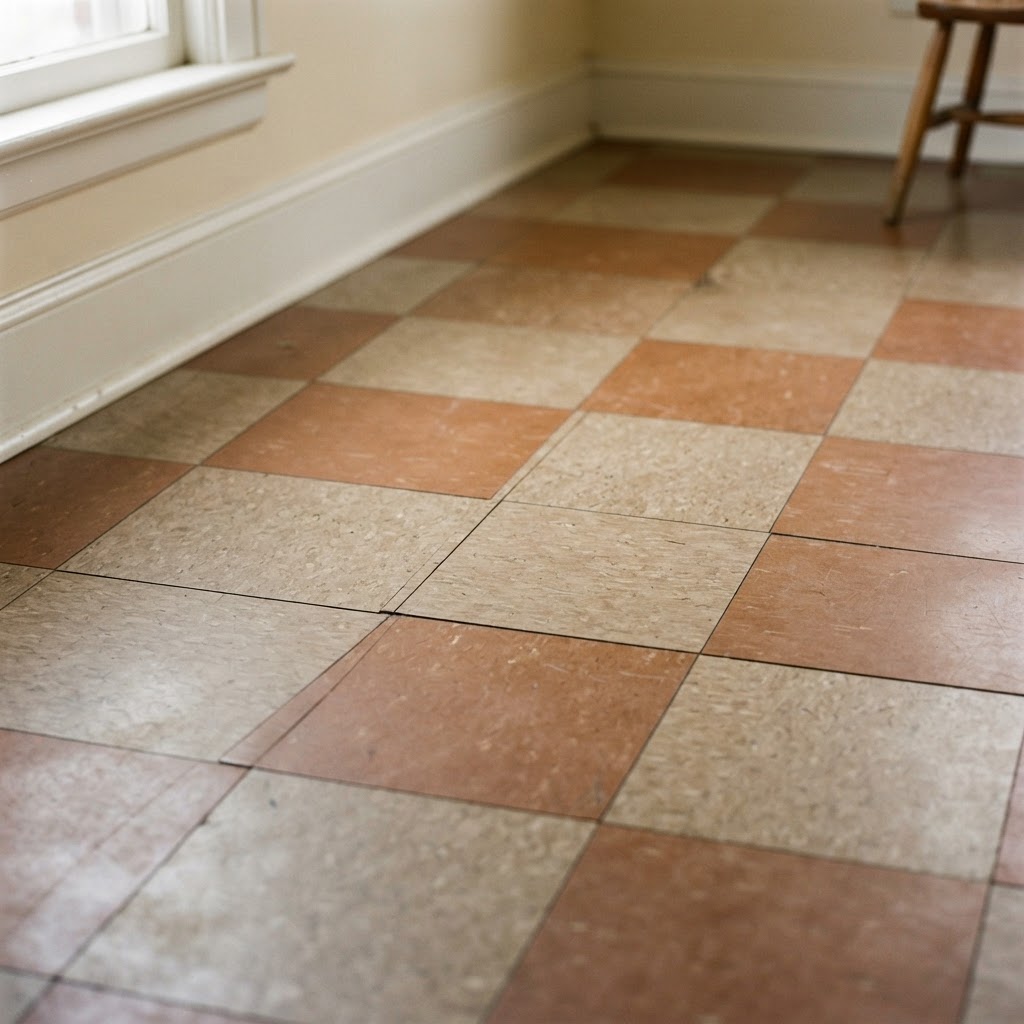
Close view of vintage nine-inch vinyl composition floor tiles in a checkerboard pattern — flooring and the mastic beneath it are separate suspect layers assessed before removal.

Flooring and adhesive scope

Flooring is often more than one layer, and a residential remodel that pulls up old flooring can disturb suspect materials hidden below. Vinyl floor tile, the mastic adhesive beneath it, and the backing on sheet flooring are separate suspect categories — and a newer floor laid over an older one can hide suspect layers below. The removal scope defines which layers are in the work area and what the renovation will disturb.

Where a suspect layer will be removed, the scope sets out the work-area boundaries, containment, controlled access, and waste packaging for that project, with HEPA filtration and negative pressure where specified. Each relevant layer is sampled and analyzed before disturbance, because the adhesive and backing are distinct materials from the tile or sheet goods above them. The assessor records the condition and the planned disturbance so the removal follows the material.

The outcome is a documented flooring scope that addresses the layers within the agreed work area, with disposal records and the controls specified for that project. It is not a clearance and not a promise that every layer in the home has been addressed — only the layers within the agreed scope, interpreted alongside the condition and the planned work.

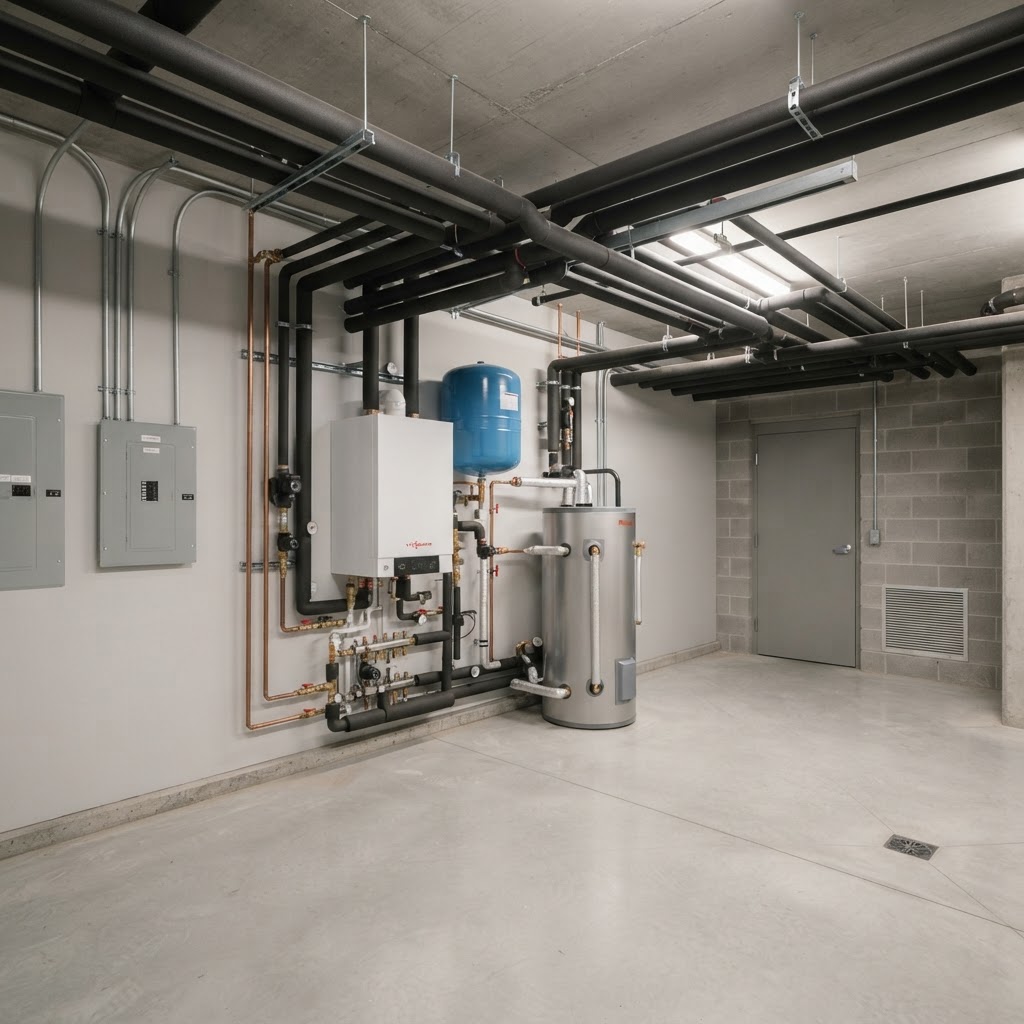
Insulated pipes along the ceiling of a residential utility room — thermal insulation and cement siding are common suspect categories assessed before disturbance.

Utility, insulation, and exterior suspect-material projects

Utility upgrades, insulation work, and exterior repairs can disturb suspect materials that are easy to overlook. Thermal insulation on heating and plumbing pipes, and exterior materials such as cement siding and panels, are common suspect categories in older Boise homes. The removal scope defines what is suspect, where it sits, and what the project will disturb — so the work follows the material.

Where a suspect material will be disturbed, the scope sets out the work-area containment, controlled access, and professional controls for that project — HEPA filtration and negative pressure where specified, with waste packaging and disposal records for the scope. The assessor records the material's condition and maps the suspect categories to the project plan, pairing the removal with sampling so the scope follows what is actually there.

The outcome is a documented scope that addresses the utility, insulation, or exterior materials within the agreed work area, with the condition noted and the controls specified for that project. It is not a whole-home guarantee and not a clearance — only the accessible materials within the agreed scope, with an independent completion assessment available where appropriate.

Occupancy and re-entry depend on the specific plan and the completion criteria — not on smell or visible appearance alone. Confirm the occupancy and re-entry plan for the specific work area before scheduling. Where appropriate, ask for an independent completion assessment — the EPA recommends separating the assessment of need from the abatement to reduce conflicts of interest.

Compare your estimate

What should a homeowner compare in a removal estimate?

Two estimates for the same home can differ because the scopes differ. Comparing what is included — and what is left to confirm separately — shows whether the quotes answer the same question.

What to compare in a residential asbestos removal estimate
CompareIncluded in the scopeConfirm separately
Material & layersWhich materials and layers are in the work area.Layers hidden below newer finishes.
Work-area limitsWhere containment and access control apply.Adjacent rooms, furnishings, and finishes.
Occupancy & re-entryThe plan for staying or temporarily relocating.An independent completion assessment.
Controls & cleanupContainment, HEPA filtration, negative pressure where specified.Visual inspection versus clearance criteria.
Waste & recordsDisposal documentation for the removed material.New finishes or reconstruction after removal.

Why two estimates can differ

The material amount and layers, the access, the work-area boundaries, and the analytical and clearance scope all change the work. A lower number may simply cover less — ask what each estimate includes and excludes.

Questions to ask before you sign

Ask whether new finishes or reconstruction are included, who performs any completion assessment, and what disposal records you will keep with the property. Request current training and insurance documentation from the contractor you hire.

A positive material does not automatically require removal — intact, undisturbed material may be appropriate for encapsulation or management in place. See inspection and testing for the assessment that precedes removal, or the services overview.

Before you hire

What to confirm before residential asbestos removal

Four concrete things to require before any disturbance begins — request current training and insurance documentation directly from the contractor you hire.

A written scope first

Require a documented scope before any disturbance begins — not after the work starts.

Test before disturbance

Ask that suspect materials be sampled and analyzed before renovation or demolition.

Containment in writing

Get the containment, HEPA filtration, and negative-pressure plan on paper for the scope.

Clear clearance steps

Confirm waste handling and clearance are documented for your specific project.

The property or project address for this request.

I agree to receive service-request messages from Boise Premier Asbestos Removal at the number provided. Message frequency varies. Message and data rates may apply. Reply STOP to opt out or HELP for help. See our Privacy Policy and Terms. Consent is optional and not required to submit this request.

How it works

How residential asbestos removal is scoped

Plan the work area, household access, and agreed completion steps before work begins.

  1. 01

    Request an estimate

    Submit the form or call us with the address and the service request.

  2. 02

    On-site assessment

    A walkthrough of accessible areas to identify suspect materials and conditions.

  3. 03

    Written scope & testing plan

    A documented scope that pairs sampling with the work before disturbance begins.

  4. 04

    Containment & work

    Scope-dependent controls such as containment, HEPA filtration, and negative pressure.

  5. 05

    Clearance & documentation

    Waste handling and clearance steps documented for the project scope.

Review the plans and any prior report, evaluate the material, condition, and access, compare management in place against removal, agree the written scope with the occupancy and control plan, carry out the professional work with the specified controls, and complete the agreed inspection, testing, and documentation. Occupancy and re-entry depend on the specific plan and the completion criteria — not on smell or visible appearance alone.

Pricing factors

What determines the cost of residential asbestos removal in Boise?

Pricing is based on the assessed residential removal scope — the material amount and layers, the access, the work-area boundaries, the furnishings and occupancy constraints, and the analytical and clearance scope. Ask for an itemized estimate based on the assessed project scope.

Cost driverWhy it can affect scope
Material type & conditionThe kind of suspect material and whether it is intact or friable shapes the method and effort.
Area size & accessibilityLarger or harder-to-reach areas take more containment, labor, and setup.
Removal vs. encapsulationLeaving intact material in place under a sealed barrier can differ in scope from full removal.
Lab testing & clearanceSampling, analysis, and clearance steps add to the documented scope.
Containment & disposalScope-dependent containment, HEPA filtration, negative pressure, and regulated waste handling.

The material amount and layers, the access, the work-area boundaries, the furnishings and occupancy constraints, the analytical and clearance scope, and the disposal and restoration exclusions all change the scope. Ask what a written residential scope includes and what it excludes — and ask whether new finishes or reconstruction are included. We do not imply that restoration is offered unless it is in the agreed scope. Request a project-specific written estimate rather than a number without the walkthrough.

Regulation

Residential removal, occupancy, and Idaho regulation

Notification and work requirements depend on the project, building, and material scope — not a blanket rule for every home.

Idaho DEQ & EPA Region 10

Idaho DEQ oversees Tier 1 major facilities, and EPA Region 10 handles nonmajor facilities. Qualifying renovation and demolition notification requirements depend on the project, building, and material scope. See the Idaho DEQ air-quality compliance page and the EPA NESHAP overview for the applicable rules.

Intact material does not always require removal

The EPA advises that appearance alone cannot identify asbestos and that intact, undisturbed material does not always require removal. A positive result is interpreted with the material’s condition and the planned work — removal is one option, encapsulation or management in place are others.

FAQ

Residential asbestos removal questions for Boise

Answer-first questions about residential scope and occupancy. For deeper detail, see the full FAQ.

Does a positive test always mean removal?

No. A positive result confirms the sampled material contains asbestos — it does not automatically mean removal. The recommendation follows the material’s condition and the planned work. Intact, undisturbed material may be appropriate for encapsulation or management in place. The EPA advises that intact, undisturbed material does not always require removal.

Can I stay in my home during the work?

Confirm occupancy and re-entry arrangements for the specific work area before scheduling. Some residential scopes can be planned around continued occupancy with controlled access to the work area; others require temporary relocation for the duration of the disturbance. The written scope sets out the occupancy plan for your project, and an independent completion assessment can be requested where appropriate.

What about ceiling texture specifically?

Popcorn ceiling texture is a common suspect category, but it is not a diagnosis — and not every ceiling of that style contains asbestos. A sample collected and analyzed by a laboratory is the only way to confirm whether your ceiling material contains asbestos. If the planned renovation will disturb it, the removal scope pairs the work with testing so the scope follows the material.

Is floor tile size diagnostic?

No. The size of a floor tile — nine-inch, twelve-inch, or another dimension — does not confirm asbestos. Vinyl floor tile, the mastic beneath it, and the backing on sheet flooring are separate suspect categories, and each is sampled and analyzed on its own. A newer floor laid over an older one can hide suspect layers below, so the scope defines which layers are in the work area.

Does encapsulation remove asbestos?

No. Encapsulation leaves the intact material in place under a sealed barrier so fibers are not released — it does not remove the asbestos. Whether encapsulation is suitable depends on the material’s condition and the project scope. Intact, undisturbed material may be appropriate for encapsulation or management in place; damaged or soon-to-be-disturbed material may point toward removal.

How is the schedule set?

Timing follows the scope — the material, the quantity, the access, the occupancy constraints, and the analytical and clearance steps for your project. We confirm the schedule with the written scope rather than promise a fixed start date or a same-week turnaround. Occupancy and re-entry depend on the specific plan and the completion criteria.

Does clearance certify zero asbestos?

No. Clearance is a scope-dependent professional control — a documented check against the criteria for your project, not a promise of zero fibers. The EPA recommends separating the assessment of need from the abatement to reduce conflicts of interest, so ask who performs clearance and what criteria they use. Visual inspection alone is not a clearance.

What should the quote document?

Ask for a written scope that names the materials, the work-area boundaries, the containment and controls, the waste handling and disposal records, and the clearance steps for your project — and ask what is excluded. Ask for an itemized estimate based on the assessed project scope, and ask whether new finishes or reconstruction are included. We do not imply that restoration is offered unless it is in the agreed scope.
Closing

Tell us the address and the renovation you’re planning

Share the property address and what you plan to do. We’ll follow up about the materials, the occupancy plan, and the written scope — pricing is determined by the inspected project, not a flat rate.

The property or project address for this request.

I agree to receive service-request messages from Boise Premier Asbestos Removal at the number provided. Message frequency varies. Message and data rates may apply. Reply STOP to opt out or HELP for help. See our Privacy Policy and Terms. Consent is optional and not required to submit this request.