Draft preview — unpublished partner-review rebuild. Estimate forms are wired to CRM tracking for safe configuration and testing; not published.
Inspection

Asbestos inspection in Boise, Idaho

A walkthrough assessment of accessible areas to identify suspect asbestos-containing materials and record their condition before renovation, demolition, or repair. An inspection defines the scope — it does not confirm content on its own. Tell us the address and the planned work.

The property or project address for this request.

I agree to receive service-request messages from Boise Premier Asbestos Removal at the number provided. Message frequency varies. Message and data rates may apply. Reply STOP to opt out or HELP for help. See our Privacy Policy and Terms. Consent is optional and not required to submit this request.

Scope

What an asbestos inspection defines

An inspection identifies suspect materials, their condition, and the area affected by planned work. It may include a professional sampling plan — but a visual inspection alone cannot establish asbestos content.

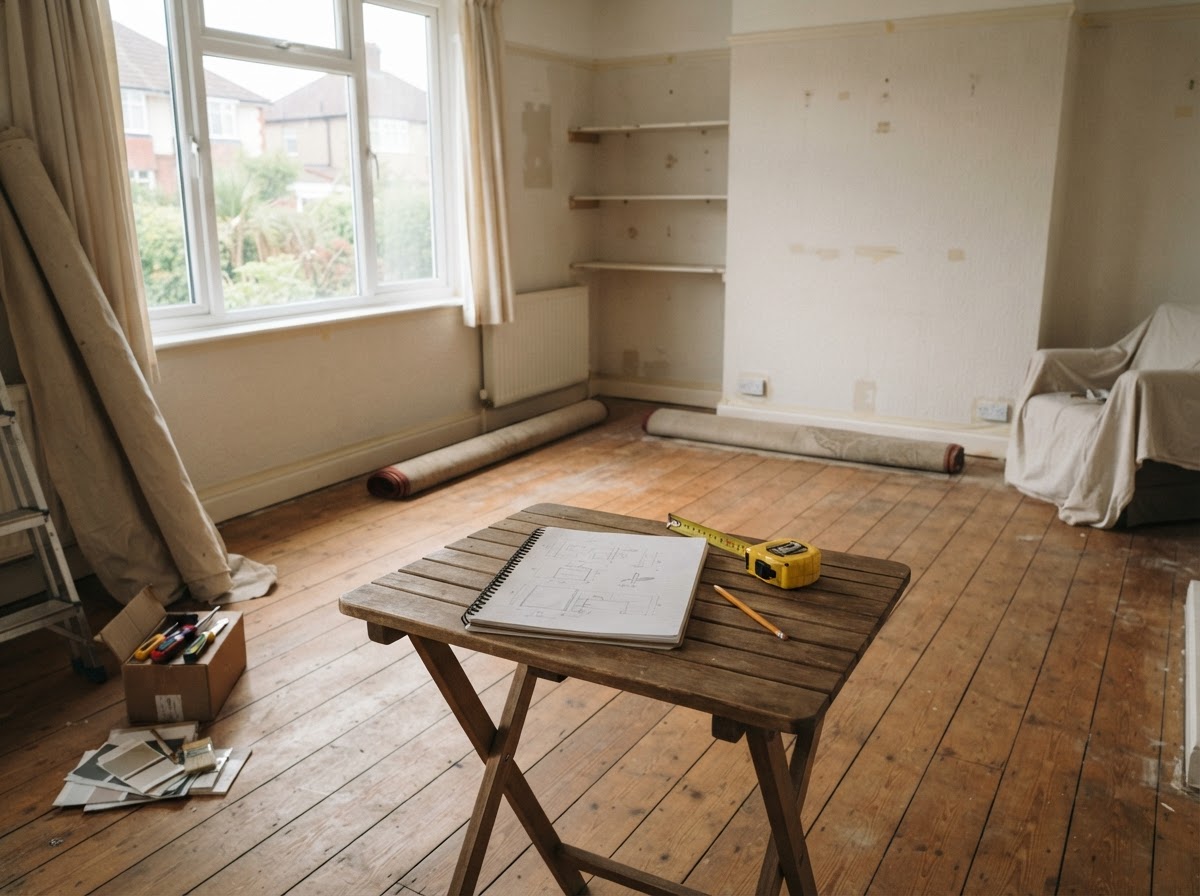
A planning desk with renovation drawings and notes — context for scoping a pre-renovation asbestos assessment.

Pre-renovation work-area assessment

A pre-renovation assessment defines the suspect materials inside the work area before demolition or remodeling begins. It answers what is here, where it is, and whether the planned work will disturb it — so the renovation scope follows the material rather than a guess about what might be behind the walls.

The assessor reviews the planned work, walks the accessible areas that will be affected, and records the location and condition of suspect materials such as ceiling texture, floor tile and adhesive, pipe insulation, siding, and joint compound. Where a material is suspect, a sampling plan is agreed so the inspection and testing stay tied to the renovation scope.

The outcome is a documented assessment of the work area that informs whether sampling, removal, encapsulation, or management in place is the next step. It is not a clearance and not a guarantee that every suspect material in the building has been found — only the accessible areas in the agreed survey boundary.
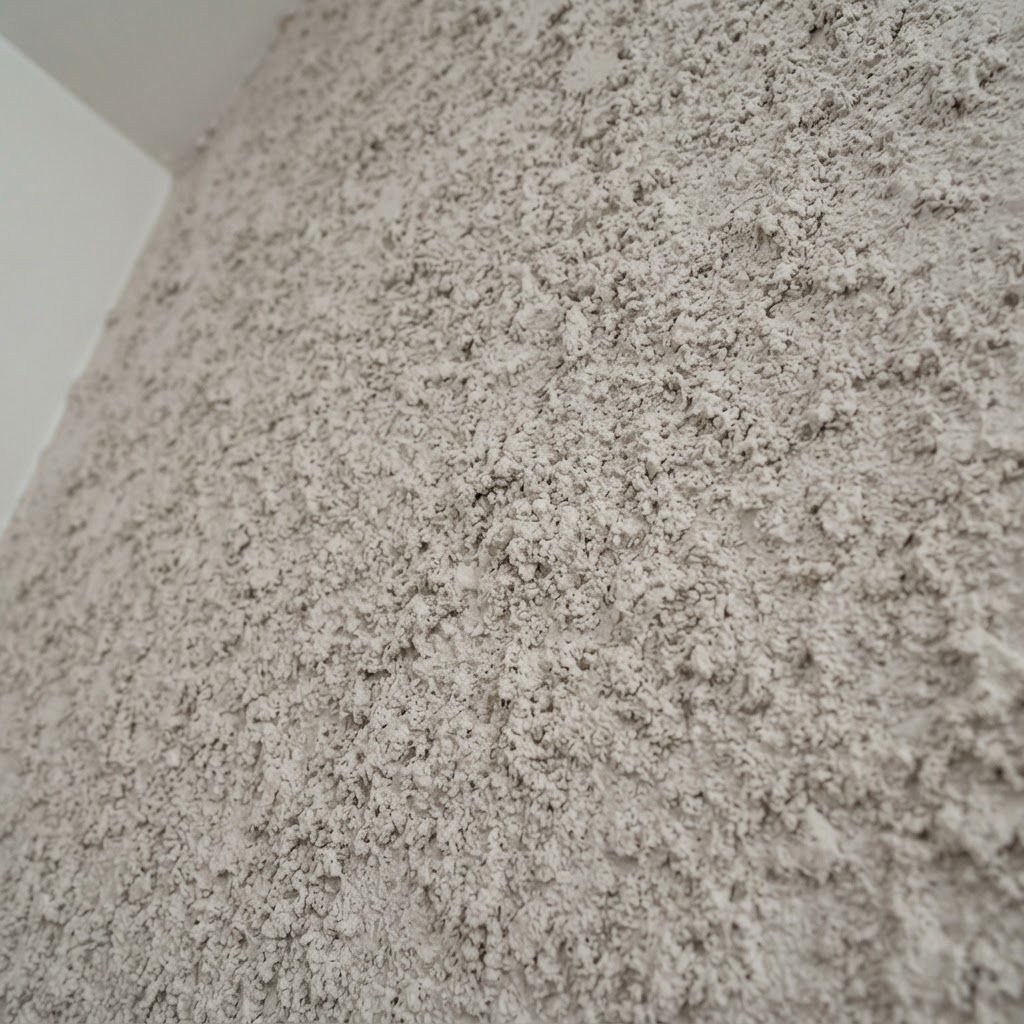
Close view of a textured cottage-cheese popcorn ceiling surface in an older home — a common suspect category, not a visual diagnosis.

Residential suspect-material assessment

A residential assessment walks the accessible areas of a home to identify suspect asbestos-containing materials and record their condition. It answers what is suspect, where it sits, and what shape it is in — the starting point for a remodel, a repair, or a question about an older Boise property.

The assessor notes the location and condition of suspect materials — popcorn ceiling texture, vinyl floor tile and mastic, pipe insulation, cement siding, joint compound — and maps them to the planned work. No material is identified by color, tile size, or age alone; appearance cannot confirm asbestos, so sampling is paired in where a material is suspect.

The outcome is a documented assessment of what is accessible and what is suspect, with the condition noted for each material. That assessment informs the next step — but it is not a whole-building guarantee, and concealed or destructively accessed areas must be agreed rather than promised as part of every inspection.

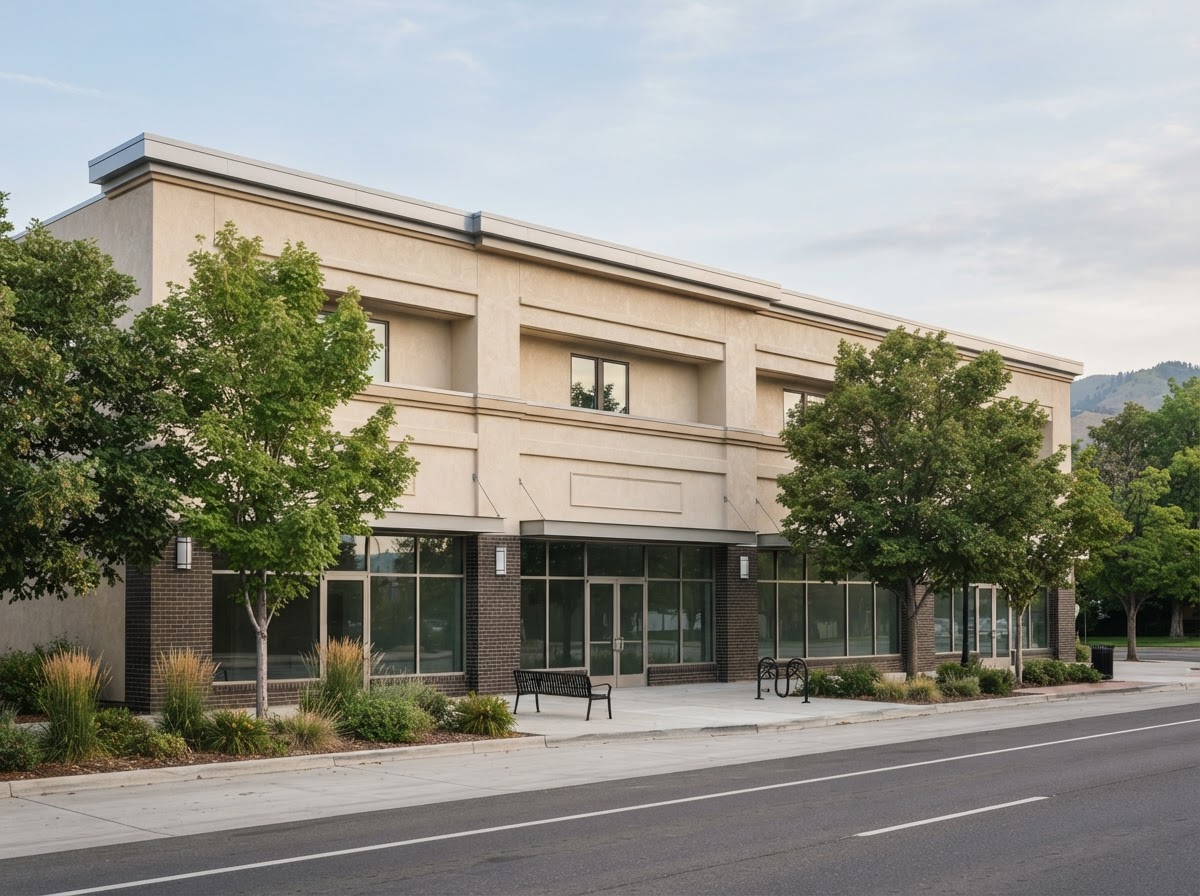
A low-rise commercial building facade with stucco and brick walls and large storefront windows — representative Boise commercial architecture.

Commercial & demolition scope discussion

A commercial assessment scopes the suspect materials in a building, facility, or multi-tenant property against the planned renovation or demolition. It answers what is affected, where the work zones are, and what the notification and access considerations look like for the project.

The discussion covers the building, the project scope, the affected work zones, tenant access, and the other trades on site. Renovation and demolition notification requirements depend on the project, building, and material scope — Idaho DEQ oversees Tier 1 major facilities and EPA Region 10 handles nonmajor facilities — so the assessment is tied to the applicable rules, not a blanket claim.

The outcome is a documented assessment that informs the testing, removal, and notification scope for the project. It is not a clearance and not a guarantee that every material in the facility has been addressed — only the accessible areas within the agreed survey boundary.

Concealed areas and destructive access must be agreed in advance — an inspection covers the accessible areas within the agreed survey boundary, not a whole-building guarantee. No material is identified by color, tile size, or age alone; appearance cannot confirm asbestos, so an inspection is paired with testing when a material is suspect.

Scope & deliverables

What should an asbestos inspection scope and report cover?

A useful inspection report records the planned work boundary, the accessible materials and their condition, the agreed sampling scope, and the areas it could not reach — so the next decision follows the documented findings rather than a guess.

What an asbestos inspection scope and report should cover
DeliverableWhat it recordsWhat it does not establish
Planned work boundaryThe rooms, surfaces, or systems the renovation or demolition will reach.Areas outside the agreed survey boundary.
Accessible materials & locationsWhere each suspect material sits and its current condition.Concealed or destructively accessed areas not agreed in advance.
Condition observationsWhether the material is intact, damaged, or friable.Whether it contains asbestos — that needs sampling and analysis.
Agreed sampling & analysis scopeWhich suspect materials will be sampled and submitted to a laboratory.Results for materials or layers that were not sampled.
Records, limitations & next stepsWhat was assessed, what was not, and the options that follow.A whole-building clearance or a guarantee every material was found.

Accessible-area assessment

A walkthrough of the areas you can reach records what is suspect and what condition it is in. It does not confirm content — that is the job of testing.

Renovation-specific survey scope

Tied to the planned work, the survey maps suspect materials to what the renovation or demolition will actually disturb.

Existing-report review

A prior inspection or lab report is reviewed alongside the on-site assessment so the scope follows what is already documented — without duplicating sampling.

No material is identified by color, tile size, or age alone. A visual inspection defines what is suspect; sampling and laboratory analysis confirm content. See the services overview, or compare residential and commercial removal for what follows the findings.

Before you hire

What to confirm before an asbestos inspection

Compare the assessment, written work plan, site controls, and completion records before choosing a contractor. Request current training and insurance documentation for the people who will perform the work.

A written scope first

Require a documented scope before any disturbance begins — not after the work starts.

Test before disturbance

Ask that suspect materials be sampled and analyzed before renovation or demolition.

Containment in writing

Get the containment, HEPA filtration, and negative-pressure plan on paper for the scope.

Clear clearance steps

Confirm waste handling and clearance are documented for your specific project.

The property or project address for this request.

I agree to receive service-request messages from Boise Premier Asbestos Removal at the number provided. Message frequency varies. Message and data rates may apply. Reply STOP to opt out or HELP for help. See our Privacy Policy and Terms. Consent is optional and not required to submit this request.

How it works

How an asbestos inspection is scoped

The assessment sequence follows the building, accessible materials, and planned work.

  1. 01

    Request an estimate

    Submit the form or call us with the address and the service request.

  2. 02

    On-site assessment

    A walkthrough of accessible areas to identify suspect materials and conditions.

  3. 03

    Written scope & testing plan

    A documented scope that pairs sampling with the work before disturbance begins.

  4. 04

    Containment & work

    Scope-dependent controls such as containment, HEPA filtration, and negative pressure.

  5. 05

    Clearance & documentation

    Waste handling and clearance steps documented for the project scope.

Clarify the building and the planned work, review any prior reports, agree the access and survey boundaries, carry out the professional assessment and sampling where appropriate, interpret the laboratory results, and record the written next steps. The EPA recommends separating the assessment of need from the actual abatement to reduce conflicts of interest — ask who performs the assessment and who performs the removal.

Pricing factors

What determines the cost of an asbestos inspection in Boise?

Pricing is based on the assessed inspection scope — the number and variety of materials, the rooms or work area, access limitations, the analytical turnaround, and the written report requirements. Ask for an itemized estimate based on the assessed project scope.

Cost driverWhy it can affect scope
Material type & conditionThe kind of suspect material and whether it is intact or friable shapes the method and effort.
Area size & accessibilityLarger or harder-to-reach areas take more containment, labor, and setup.
Removal vs. encapsulationLeaving intact material in place under a sealed barrier can differ in scope from full removal.
Lab testing & clearanceSampling, analysis, and clearance steps add to the documented scope.
Containment & disposalScope-dependent containment, HEPA filtration, negative pressure, and regulated waste handling.

The number and variety of materials, the rooms or work area, access limitations, the analytical turnaround, and the written report requirements all change the scope. Ask what a written inspection scope includes and what it excludes — and request a project-specific written estimate rather than a number without the walkthrough.

Regulation

Inspection, renovation, and Idaho regulation

Notification and work requirements depend on the project, building, and material scope — not a blanket rule for every job.

Idaho DEQ & EPA Region 10

Idaho DEQ oversees Tier 1 major facilities, and EPA Region 10 handles nonmajor facilities. Qualifying renovation and demolition notification requirements depend on the project, building, and material scope. See the Idaho DEQ air-quality compliance page and the EPA NESHAP overview for the applicable rules.

Appearance is not a diagnosis

The EPA advises that appearance alone cannot identify asbestos and that intact, undisturbed material does not always require removal. An inspection identifies what is suspect and its condition; sampling and laboratory analysis confirm content.

FAQ

Asbestos inspection questions for Boise

Answer-first questions about inspection scope. For deeper detail, see the full FAQ.

Is a visual inspection enough to confirm asbestos?

No. A visual inspection identifies suspect materials and records their condition, but appearance alone cannot establish asbestos content. The EPA advises that only a sample collected and analyzed by a laboratory can confirm whether a material contains asbestos. An inspection may include a sampling plan, but it does not replace testing.

How is a renovation survey scoped?

The survey is scoped to the accessible areas the planned work will affect. We clarify the building and the planned work, review any prior reports, agree the access and survey boundaries, then carry out the assessment and sampling where appropriate. The findings map to the renovation scope so the work follows the material — not a guess about what might be there.

Do concealed spaces count in the assessment?

Only where access is agreed. Concealed areas — behind walls, under floors, inside chases — and destructive access must be agreed in advance rather than assumed. An assessment covers the accessible areas within the agreed survey boundary; it is not a whole-building guarantee that every suspect material has been found.

Should I send an existing report?

Yes. If you already have a prior inspection or laboratory report, share it with the address and the planned work. We review it alongside the on-site assessment so the scope follows what is already documented — and so we do not duplicate sampling that is already done.

Does the age of a house prove it contains asbestos?

No. Older buildings raise the question of suspect materials, but age alone is not a diagnosis — and not every older building contains asbestos. Newer buildings are not automatically clear either. Suspect materials are confirmed by sampling, not by the year built.

How does inspection differ from testing?

An inspection is a walkthrough assessment that identifies suspect materials and their condition. Testing is the collection of samples and laboratory analysis that confirms whether a material actually contains asbestos. They are often paired: the inspection tells you what to sample, and the test confirms content.

Who determines demolition notification requirements?

It depends on the project, building, and material scope — not a blanket rule for every job. Idaho DEQ oversees Tier 1 major facilities and EPA Region 10 handles nonmajor facilities. See the Idaho DEQ and EPA NESHAP pages for the applicable rules.

Is the assessment independent of the abatement work?

The EPA recommends separating the assessment of need from the actual abatement to reduce conflicts of interest. Ask who performs the assessment and who performs the removal, and request current training and insurance documentation directly from the contractor you hire.
Closing

Tell us the address and the planned work

Share the property address and what you plan to do. We’ll follow up about the assessment, the survey boundaries, and the written next steps — pricing is determined by the inspected project, not a flat rate.

The property or project address for this request.

I agree to receive service-request messages from Boise Premier Asbestos Removal at the number provided. Message frequency varies. Message and data rates may apply. Reply STOP to opt out or HELP for help. See our Privacy Policy and Terms. Consent is optional and not required to submit this request.