Draft preview — unpublished partner-review rebuild. Estimate forms are wired to CRM tracking for safe configuration and testing; not published.
Commercial

Commercial asbestos removal in Boise, Idaho

Asbestos removal scoped for property managers, owners, and contractors planning tenant improvements, renovation, or demolition. The scope defines the affected work zones, tenant access, and the notification path for your project — not a blanket threshold or an arbitrary start date. Tell us the building, the plans, and the boundary.

The property or project address for this request.

I agree to receive service-request messages from Boise Premier Asbestos Removal at the number provided. Message frequency varies. Message and data rates may apply. Reply STOP to opt out or HELP for help. See our Privacy Policy and Terms. Consent is optional and not required to submit this request.

Scope

What commercial asbestos removal addresses

Commercial removal is scoped to the renovation boundary, the work zones, and the other trades on site. Notification applicability is determined before work begins — it depends on the project, building, and material scope, not a blanket rule.

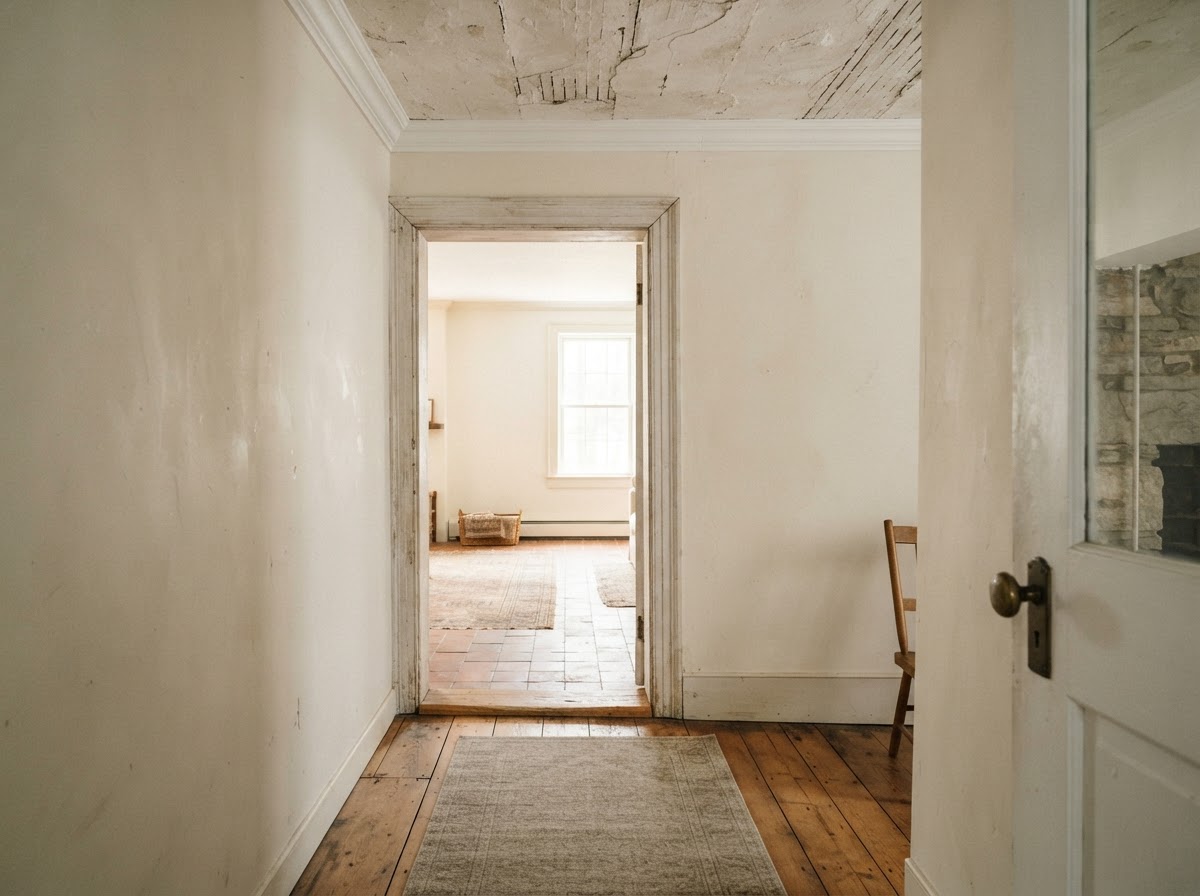
An interior doorway and transition between rooms in a commercial space — context for scoping a tenant-improvement asbestos assessment.

Tenant-improvement work-area planning

Tenant improvements are a common commercial trigger for an asbestos question. A build-out that opens walls, relocates doors, or changes mechanical runs can disturb suspect materials inside the renovation boundary. The commercial removal scope defines what is suspect within the affected work zones, where it sits, and what the improvement will disturb — so the work follows the material rather than a guess about what is behind the walls.

Where a suspect material will be disturbed, the scope sets out the work-zone containment, tenant access, and coordination with the other trades on site — including HVAC coordination where the system crosses the renovation boundary. The assessor records the material's condition and maps the suspect categories to the improvement plan, pairing the removal with an asbestos survey so the scope follows what is actually there. No material is identified by appearance alone.

The outcome is a documented commercial scope that addresses the materials within the agreed renovation boundary, with the condition noted and the controls specified for that project. It is not a whole-building guarantee and not a clearance — only the accessible areas within the agreed work zones, with each party's responsibilities agreed rather than assumed.
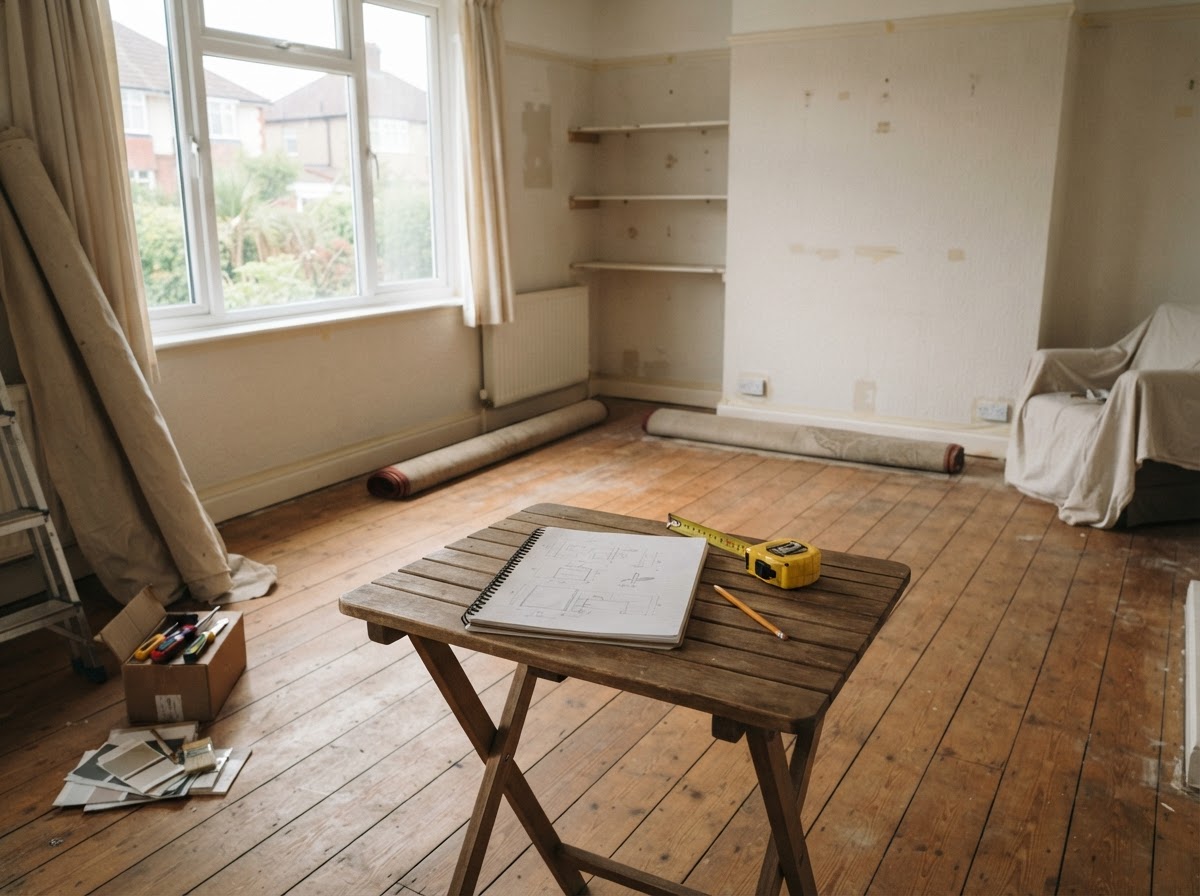
A planning desk with renovation drawings, a hard hat, and rolled plans — context for scoping a commercial renovation asbestos removal.

Commercial renovation and removal scope

A commercial renovation — a full-floor remodel, a system upgrade, or a façade change — can disturb regulated asbestos-containing material across multiple work zones. The removal scope defines what is suspect, where the work zones are, and what the renovation will disturb, so the project follows the material. The facility owner's plans and the building's use shape how the scope is set.

Where a suspect material will be removed, the scope sets out the containment, HEPA filtration, negative pressure where specified, and the waste shipment records for that project. The assessor records the material's condition and classification and maps the suspect categories to the renovation plan, pairing the removal with the asbestos survey. Renovation and demolition notification requirements depend on the project, building, and material scope — Idaho DEQ oversees Tier 1 major facilities and EPA Region 10 handles nonmajor facilities — so the scope is tied to the applicable rules, not a blanket claim.

The outcome is a documented commercial scope that addresses the materials within the agreed renovation boundary, with the condition and classification noted and the controls specified for that project. It is not a clearance and not a guarantee that every material in the facility has been addressed — only the accessible areas within the agreed work zones.

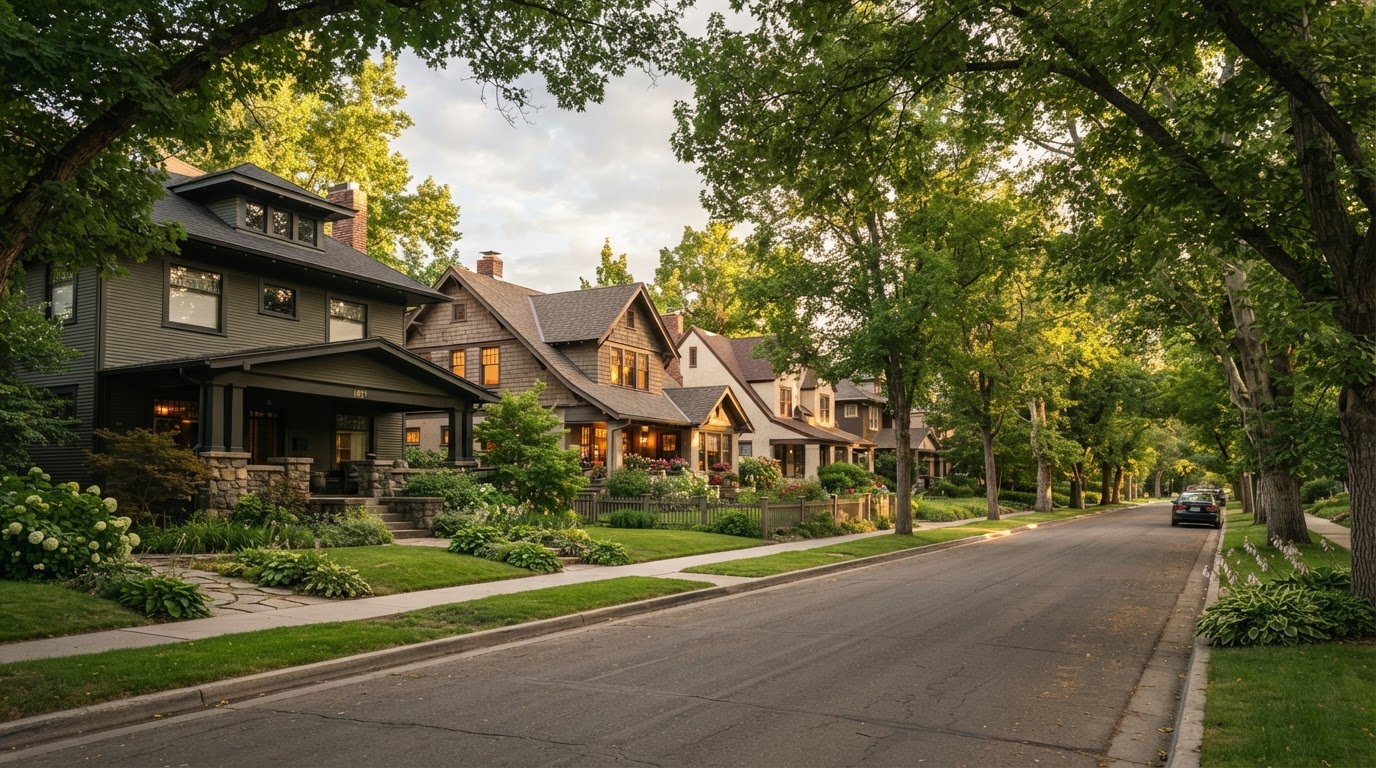
A street-level view of commercial storefronts along an established corridor — context for demolition-related asbestos coordination, not a completed project.

Demolition-related asbestos coordination

Demolition raises the asbestos question at a larger scale. Before a building comes down, the suspect materials that will be disturbed are identified and addressed in the agreed scope. The commercial removal scope defines what is suspect, where it sits, and what the demolition will disturb — and it does not offer structural demolition itself, only the asbestos coordination that precedes it.

Where a suspect material will be disturbed by demolition, the scope sets out the containment, HEPA filtration, negative pressure where specified, and the waste shipment records for that project. Notification applicability is determined before work begins — it depends on the project, building, and material scope, not a blanket threshold or exemption. The assessor records the material's condition and classification and maps the suspect categories to the demolition plan, pairing the removal with the asbestos survey.

The outcome is a documented scope that addresses the materials within the agreed demolition boundary, with the condition and classification noted and the controls specified for that project. It is not a clearance and not a guarantee that every material has been addressed — only the accessible areas within the agreed scope, with an independent completion assessment available where specified.

Each party’s responsibilities must be agreed — permits and notifications are not assumed to be automatic. The commercial asbestos scope addresses the suspect materials within the agreed boundary; it does not offer structural demolition or reconstruction. See inspection and testing for the survey and laboratory work that precede removal.

Who confirms what

Who confirms each part of a commercial asbestos project?

A commercial project divides across the owner, the assessment professional, the abatement contractor, and the renovation or demolition contractor. Each party's responsibilities are agreed for the project — not assumed to be automatic.

Who confirms each part of a commercial asbestos project
PartyWhat they confirm
Owner or property managerBuilding use, the renovation or demolition boundary, existing reports, and tenant access for the work.
Assessment professionalThe asbestos survey scope, the suspect materials and their condition, and the sampling plan for the affected work zones.
Abatement contractorWork-zone containment, the specified controls, waste shipment records, and the completion criteria for the project.
Renovation or demolition contractorThe build-back or structural scope, and coordination with the asbestos scope so the trades do not conflict.

Survey and work-area boundaries

The survey identifies suspect materials within the affected areas; the removal scope sets the work-zone boundaries for each.

Notification responsibility

Applicable notification is determined before work on the project, building, and material scope — not a blanket threshold or an automatic permit.

Access, trades, and phasing

Tenant access, other trades, and HVAC coordination where the system crosses the boundary are set out — and the work can be phased to keep tenants in operation.

Waste and completion records

Waste shipment records and the completion criteria are documented, with an independent completion assessment where specified.

The commercial asbestos scope addresses the suspect materials within the agreed boundary — it does not offer structural demolition or reconstruction. See the Idaho DEQ and EPA NESHAP pages, and the services overview and inspection for the survey that precedes removal.

Before you hire

What to confirm before commercial asbestos removal

Four concrete things to require before any disturbance begins — request current training and insurance documentation directly from the contractor you hire.

A written scope first

Require a documented scope before any disturbance begins — not after the work starts.

Test before disturbance

Ask that suspect materials be sampled and analyzed before renovation or demolition.

Containment in writing

Get the containment, HEPA filtration, and negative-pressure plan on paper for the scope.

Clear clearance steps

Confirm waste handling and clearance are documented for your specific project.

The property or project address for this request.

I agree to receive service-request messages from Boise Premier Asbestos Removal at the number provided. Message frequency varies. Message and data rates may apply. Reply STOP to opt out or HELP for help. See our Privacy Policy and Terms. Consent is optional and not required to submit this request.

How it works

How commercial asbestos removal is scoped

Coordinate the work area, tenant access, other trades, and project responsibilities before scheduling.

  1. 01

    Request an estimate

    Submit the form or call us with the address and the service request.

  2. 02

    On-site assessment

    A walkthrough of accessible areas to identify suspect materials and conditions.

  3. 03

    Written scope & testing plan

    A documented scope that pairs sampling with the work before disturbance begins.

  4. 04

    Containment & work

    Scope-dependent controls such as containment, HEPA filtration, and negative pressure.

  5. 05

    Clearance & documentation

    Waste handling and clearance steps documented for the project scope.

Obtain the plans, reports, and building use; define the survey and the affected areas; determine the responsibilities and the regulatory path; agree the written scope with the tenant, trade, and access plan; carry out the professional abatement; and complete the agreed closeout records — with an independent completion assessment where specified. Each party’s responsibilities are agreed, not assumed to be automatic.

Pricing factors

What determines the cost of commercial asbestos removal in Boise?

Pricing is based on the assessed commercial removal scope — the quantities and classification of the material, its condition, vertical or confined access, phased work, occupancy, site controls, and the analysis and clearance scope. Ask for an itemized estimate based on the assessed project scope.

Cost driverWhy it can affect scope
Material type & conditionThe kind of suspect material and whether it is intact or friable shapes the method and effort.
Area size & accessibilityLarger or harder-to-reach areas take more containment, labor, and setup.
Removal vs. encapsulationLeaving intact material in place under a sealed barrier can differ in scope from full removal.
Lab testing & clearanceSampling, analysis, and clearance steps add to the documented scope.
Containment & disposalScope-dependent containment, HEPA filtration, negative pressure, and regulated waste handling.

The quantities and classification of the material, its condition, vertical or confined access, phased work, occupancy, site controls, the analysis and clearance scope, waste handling, and documentation all change the scope — along with what is excluded. Ask what a written commercial scope includes and what it excludes, and request a project-specific written estimate rather than a number without the walkthrough.

Regulation

Commercial removal, notification, and Idaho regulation

Notification and work requirements depend on the project, building, and material scope — not a blanket rule for every commercial job. Sources last reviewed October 25, 2026.

Idaho DEQ & EPA Region 10

Idaho DEQ oversees Tier 1 major facilities, and EPA Region 10 handles nonmajor facilities. Qualifying renovation and demolition notification requirements depend on the project, building, and material scope — there is no blanket threshold or exemption shortcut. See the Idaho DEQ air-quality compliance page and the EPA NESHAP overview for the applicable rules.

Determine notification before work

The applicable notification is determined before work begins, on the specifics of your project — not an arbitrary start date or a universal exemption. The EPA advises that appearance alone cannot identify asbestos; an asbestos survey and laboratory analysis confirm what is actually there before removal or demolition begins.

Regulatory sources last reviewed October 25, 2026.

FAQ

Commercial asbestos removal questions for Boise

Answer-first questions about commercial scope, notification, and coordination. For deeper detail, see the full FAQ.

What should a contractor send?

Send the plans, any existing asbestos survey or laboratory report, the building’s use, and the renovation or demolition boundary. The more you share about the affected work zones, tenant access, and the other trades on site, the more precisely the scope can be set. We review what is already documented so we do not duplicate survey work that is done — see inspection and testing.

Does the project need an asbestos survey?

Many commercial renovations and demolitions do. Whether a survey is required depends on the project, building, and material scope — not a blanket rule for every job. The survey identifies suspect materials within the affected areas and records their condition and classification. Share the building’s use and the planned work so the survey scope can be confirmed.

Who receives asbestos notifications in Idaho?

Idaho DEQ oversees Tier 1 major facilities, and EPA Region 10 handles nonmajor facilities. Notification applicability depends on the project, building, and material scope. See the Idaho DEQ air-quality compliance page and the EPA NESHAP overview for the applicable rules — each party’s responsibilities must be agreed, not assumed to be automatic.

Is every renovation notified the same way?

No. Notification requirements depend on the project, building, and material scope — the quantity and classification of the regulated asbestos-containing material, the building type, and the planned work. There is no blanket threshold or exemption shortcut. The applicable notification is determined before work begins, on the specifics of your project.

Can work be phased around tenants?

Often, yes. Commercial scopes can be phased to keep adjacent tenants in operation, with work-zone containment, controlled access, and HVAC coordination set out for each phase. The written scope sets out the phasing and the occupancy plan for your project — timing follows the scope, and an arbitrary start date is not promised.

What controls belong in the scope?

Ask for a written scope that names the containment, HEPA filtration, negative pressure where specified, controlled access, waste shipment records, and clearance criteria for your project. These are scope-dependent professional controls, not a fixed checklist for every job — and not a promise of zero fibers. Ask for an itemized estimate based on the assessed project scope.

Who handles clearance?

Clearance is a scope-dependent professional control performed against the criteria for your project. The EPA recommends separating the assessment of need from the abatement to reduce conflicts of interest, so ask who performs clearance and what criteria they use — and request current training and insurance documentation directly from the contractor you hire.

Is demolition or reconstruction included?

No. The commercial asbestos scope addresses the suspect materials within the agreed boundary — it does not offer structural demolition or reconstruction. If your project includes demolition or build-back, that is a separate scope to agree. Ask what the written asbestos scope includes and what it excludes, and request a project-specific written estimate. See residential removal for home-scope differences.
Closing

Tell us the building, the plans, and the boundary

Share the property address, the planned work, and any existing survey or laboratory report. We’ll follow up about the work zones, the notification path, and the written scope — pricing is determined by the inspected project, not a flat rate.

The property or project address for this request.

I agree to receive service-request messages from Boise Premier Asbestos Removal at the number provided. Message frequency varies. Message and data rates may apply. Reply STOP to opt out or HELP for help. See our Privacy Policy and Terms. Consent is optional and not required to submit this request.