About Boise Premier Asbestos Removal
A Boise, Idaho asbestos services business focused on inspection, testing, encapsulation, and residential and commercial removal across the city and the wider Treasure Valley. Here’s the service philosophy and what customers should expect.

Clear answers before asbestos work
The aim is plain information before any disturbance: what the material is, whether planned work will disturb it, and what the options are.
Define before disturbing
A test-before-disturbance approach means suspect materials are identified and, where needed, sampled before renovation or demolition begins — not after. The point is to know what’s there before the work changes it.
Condition drives the options
Removal, encapsulation, or management in place depends on the material’s condition and the project scope — not a default assumption that everything must come out. Intact, undisturbed material does not always require removal.
A written scope
The planned method, containment plan, and clearance steps belong in a documented scope for the inspected project — pricing is determined by that scope, not a flat rate pulled from a catalog.
The philosophy is straightforward: give the property owner plain information before any disturbance, and put the method, the containment, and the clearance steps in writing for the inspected project. You can read the scope and ask questions before work starts, rather than after.
Services for homes and commercial property
Inspection, testing, encapsulation, and removal — scoped for residential remodels and older homes as well as commercial buildings and facilities.
Asbestos inspection
A walkthrough assessment of accessible areas to identify suspect materials and their condition before disturbance.
Learn moreAsbestos testing
Sampling and laboratory analysis that confirms whether a suspect material contains asbestos.
Learn moreAsbestos encapsulation
Where intact material is appropriate to leave in place, a sealed barrier so fibers are not released.
Learn moreResidential removal
Removal scoped for homes, remodels, and older properties with occupancy and access planning.
Learn moreCommercial removal
Removal scoped for buildings, facilities, and multi-tenant properties with work-zone coordination.
Learn moreAll services
The full scope of inspection, testing, removal, and encapsulation work in one overview.
Learn moreWhat a well-defined project includes
Four concrete things to ask for before any disturbance begins.
A written scope first
Require a documented scope before any disturbance begins — not after the work starts.
Test before disturbance
Ask that suspect materials be sampled and analyzed before renovation or demolition.
Containment in writing
Get the containment, HEPA filtration, and negative-pressure plan on paper for the scope.
Clear clearance steps
Confirm waste handling and clearance are documented for your specific project.
Ask for current training and insurance documentation directly from the contractor you hire. The four criteria above are the minimum worth requiring: a written scope before disturbance, testing before disturbance, the containment and HEPA plan on paper, and clear clearance steps for your specific project.
Questions to ask about credentials and insurance
- What training documentation can the contractor provide for the crew assigned to your project?
- What evidence of insurance can they show, and is it current for the dates of your project?
- Will the written scope name the planned method, containment, and clearance steps for your project?
- Who performs the completion assessment, and what clearance criteria do they use?
These are questions to ask before any disturbance begins. A contractor who can answer them plainly, with current documents, is easier to trust than one who asks you to take it on faith.
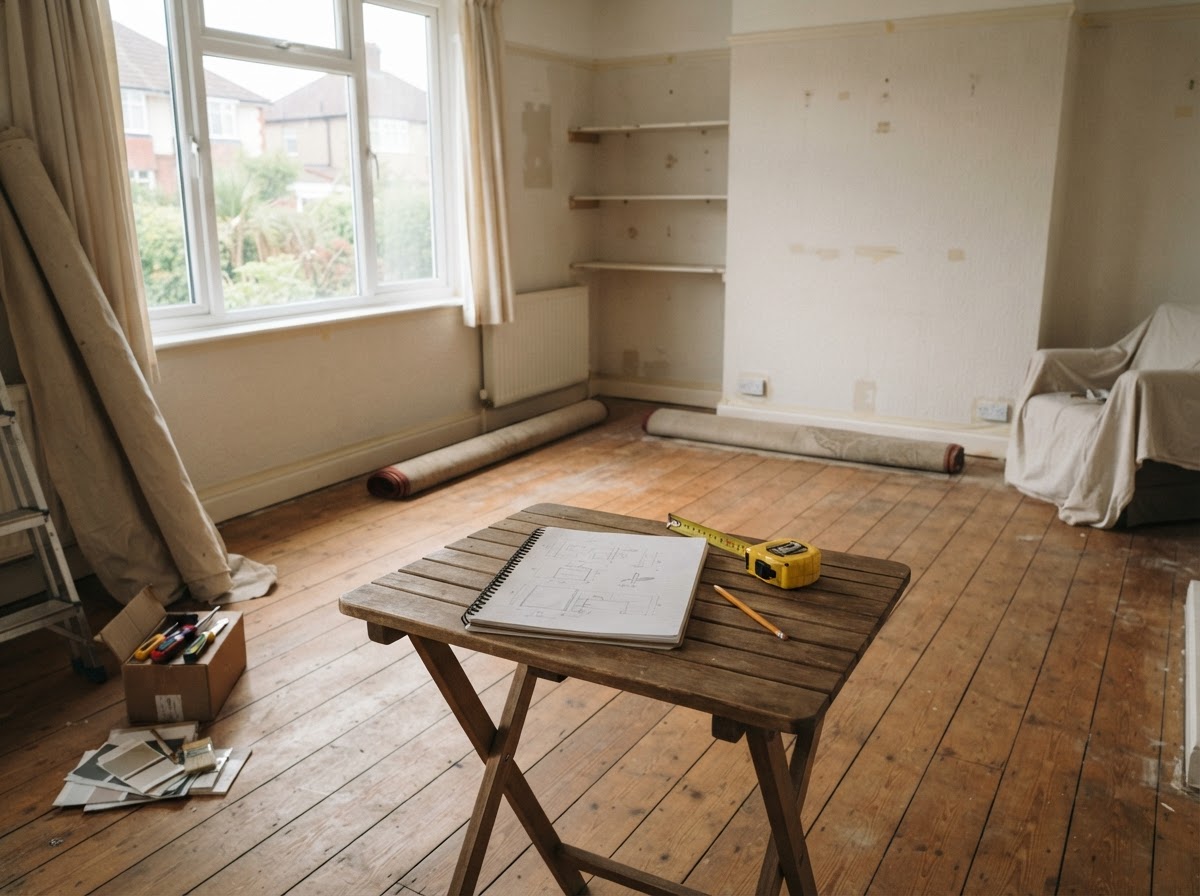
What a clear, documented asbestos project should give you
Useful records to request before any disturbance — and why they help you compare options and coordinate the next contractor.
| Record or document | What to request | Why it helps |
|---|---|---|
| Training & insurance evidence | Current documentation for the crew and the dates of your project. | Confirms the people doing the work are covered for it. |
| Agreed assessment boundary | The rooms, surfaces, or systems the survey covers. | Shows what was reviewed and what was not. |
| Material & laboratory records | Sample IDs, locations, methods, and report limitations. | Maps findings to your property, not a generic result. |
| Written work & occupancy scope | Method, containment, access, and re-entry criteria. | Lets you compare the same work across estimates. |
| Completion & remaining-material records | Clearance criteria, waste documents, and what stays in place. | Coordinates the next contractor and future renovation. |
These records let you compare the same work across estimates and hand a useful file to the next contractor on the project. Request current training and insurance documentation directly from the contractor you hire, and keep the agreed scope and resulting records with the property’s project documents.
Boise and nearby project requests
From the North End and the Bench to the wider Treasure Valley.
Share the project address
We review Boise-area project requests. To confirm nearby coverage for your address, share it on the request and we’ll follow up about the scope. Coverage depends on the address and the scope, so the request is the fastest way to a yes or no.
See service areasHow the conversation starts
Contact us, explain the property and the planned work, agree the assessment scope, and receive options. Pricing is determined by the inspected project. The first step is the address and the service request; the scope follows the assessment.
Contact pageWhat to have ready before you reach out
A few details make the first conversation more useful. Have the project boundary ready — which rooms, floors, or building areas the planned work will touch — and a short note on the planned disturbance, whether it’s a renovation, a demolition, a repair, or a build-out. If a laboratory report or an asbestos survey already exists, keep it on hand, along with any sample identifiers or chain-of-custody notes, so the assessment can build on what’s documented rather than start over. Think through access and occupancy constraints too: whether the work area is occupied, how the site is reached, and whether tenants, family, or other trades need to keep working around it. Finally, bring the questions that matter to you — the written scope, the containment plan, the clearance steps, and the documentation you’d like to see. No do-it-yourself sampling or removal is needed or advised; the assessment is the safe next step.
Tell us the address and the planned work
Share the property address and what you’d like scoped. We’ll follow up about the assessment, the options, and a written scope — pricing is determined by the inspected project, not a flat rate.